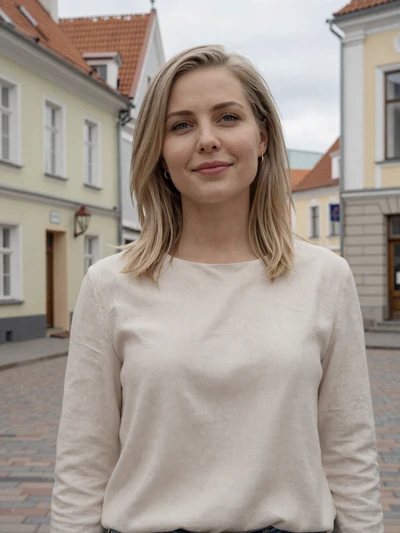
Age gap relationships in Europe are far more socially accepted than most American men realize. Across 28 European nations, maturity, life experience, and emotional stability are valued over youth-obsessed dating culture - and the numbers prove it. If you're a man between 40 and 55 wondering whether European women would genuinely consider you, the answer from Riga to Rome is a decisive yes. The key is understanding how different cultures perceive age differences and positioning yourself authentically within that framework.
With over 452 million people projected in the online dating market by 2028, international dating is no longer a niche pursuit - it's a mainstream path to finding lasting love. This guide covers the cultural reality of age gap relationships across Europe's major regions, the genuine advantages mature men bring to the table, and actionable advice for building real connections with European women who value substance over superficiality.
Key Takeaways
- Age gaps of 8-15 years Are common and accepted across most of Europe
- Southern & Baltic regions Most open to age-different relationships
- Maturity = attraction European women value stability and emotional depth
- Confidence matters most Self-assurance outweighs age every time
- Cultural intelligence Knowing her norms gives you a decisive edge
- 452M+ users by 2028 International dating is fully mainstream
Why Age Gap Dating Is More Common Than You Think
In the United States, age gap relationships often carry social stigma - side glances at restaurants, unsolicited opinions from friends, even mockery on social media. In Europe, the picture is remarkably different. Across countries with a combined population exceeding 450 million people, relationships with 8 to 15 year age differences are not only common but culturally normalized.
European societies generally evaluate romantic partnerships on compatibility, shared values, and emotional connection - not birth year arithmetic. A 45-year-old American man dating a 32-year-old woman in Latvia, Lithuania, or Estonia wouldn't raise a single eyebrow. In fact, many European women actively prefer partners who have already navigated career-building years and arrived at a place of emotional and financial stability.
This isn't a one-sided dynamic. Research consistently shows that couples with moderate age differences report high relationship satisfaction when both partners share life goals. The "experience gap" actually creates complementary strengths: he brings stability, perspective, and decisiveness; she brings energy, fresh outlook, and often a deeper commitment to building something lasting together.